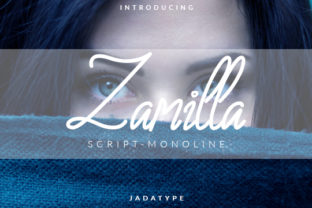
Zamilla: The Handwritten Font for Elegant Branding
I still remember the afternoon I sat in my small home studio, surrounded by stacks of matte paper and half-empty coffee cups, trying to finalize the packaging for a new line of artisanal soy candles. The scent profiles were perfect—lavender, sandalwood, wild fig—but the labels felt flat. I had tried three different Script Handwritten typefaces that week, and none of them captured the quiet luxury I wanted to convey. They were either too messy to read or too rigid to feel personal. That was until I downloaded Zamilla, a font that truly simplifies elegance into one outstanding handwritten experience. As soon as I typed out "Wild Fig & Sage," the entire vibe of the brand shifted. It wasn’t just text anymore; it was an invitation.
Why Zamilla Simplifies Elegance for Small Business Packaging
For any small business owner, especially those in the handmade or boutique space, packaging is your silent salesman. When a customer picks up a product, the typography on the label is often the first thing they notice. Zamilla stands out among other Fonts because it strikes a delicate balance between approachability and sophistication. It doesn’t scream for attention with excessive loops or chaotic strokes; instead, it whispers quality. This makes it an ideal choice for packaging design where clarity meets charm.
In my experience testing Zamilla on various label sizes, from small jar stickers to larger box sleeves, the font maintained its integrity. Many handwritten font options lose their legibility when scaled down, turning into illegible scribbles. However, Zamilla retains enough structure in its letterforms to remain readable even on compact spaces. This is crucial for product creators who need to fit essential information like ingredients or weight alongside their brand name. The font’s natural flow suggests a human touch, which builds trust. Customers perceive brands using high-quality Script Handwritten typography as more authentic and caring about the details, a perception that can significantly influence purchasing decisions in competitive markets like skincare, candles, or gourmet foods.
Using Zamilla for Standalone Headlines and Social Media Graphics
Beyond physical products, digital presence is equally vital. If you are running an online shop or managing social media accounts, you know that scroll-stopping visuals are key. Zamilla excels here because it looks outstanding as a standalone headline. Whether you are creating Instagram stories, Pinterest pins, or Facebook ads, this font commands attention without overwhelming the image. I recently used it for a bakery client’s weekly menu updates on Instagram. By placing Zamilla over high-resolution photos of croissants and tarts, the text popped beautifully against the busy, textured backgrounds of the pastry flakes and powdered sugar.
The versatility of Zamilla in digital contexts is a major advantage. Many creative font choices struggle when placed over complex images, getting lost in the noise. But because Zamilla has a consistent stroke weight and clear character shapes, it remains distinct. This makes it perfect for social media graphics where you might not have the luxury of a clean, empty background. You can use it for quote cards, promotional banners, or announcement posts. It adds a layer of polished professionalism that generic system fonts simply cannot achieve. For content creators and marketers, having a reliable display font that works seamlessly across platforms saves hours of design time and ensures brand consistency.
Pairing Zamilla with Modern Typography for Brand Identity
One of the most common questions I get from entrepreneurs is how to mix fonts without making their brand look cluttered. Zamilla is surprisingly easy to pair because of its balanced nature. While it is a Script Handwritten style, it doesn’t dominate every element of the design. To create a cohesive brand identity, I recommend pairing Zamilla with a clean sans serif font for body text and secondary information. This contrast creates a visual hierarchy that guides the viewer’s eye naturally.
For example, on a café menu, you might use Zamilla for the names of specialty drinks like "Hazelnut Latte" or "Berry Bliss Smoothie," while using a simple, modern sans serif for the descriptions and prices. This combination feels contemporary yet warm. Alternatively, for a more traditional or luxurious feel, such as in wedding invitations or high-end boutique tags, pairing Zamilla with an elegant serif font can evoke a sense of timeless class. The key is to let Zamilla handle the emotional heavy lifting—the headlines, logos, and accents—while letting the supporting modern typography handle the informational load. This strategy ensures that your design assets remain readable and professional, avoiding the pitfalls of over-designing.
Practical Tips for Readability and Commercial Licensing
Before you commit to using Zamilla for your next project, it is important to consider practical application details. While this font is highly legible for a handwritten font, always test your specific phrases. Some letter combinations may require slight kerning adjustments to ensure optimal spacing, especially in logo design. For small business owners creating product labels or business cards, print a test sheet at actual size. What looks good on a large monitor might behave differently on paper. Check how the thin strokes hold up if you are using foil stamping or embossing, as these techniques can sometimes obscure fine details.
Additionally, always verify the licensing terms. Since Zamilla is a premium asset, ensure you have the correct commercial license for your intended use. Whether you are printing thousands of stickers, creating digital downloads, or designing website banners, understanding your rights prevents legal issues down the road. Most reputable font providers offer clear guidelines on desktop versus web usage. Taking this step shows professionalism and respect for intellectual property, which reflects well on your own business ethics. By choosing a high-quality typeface like Zamilla and using it correctly, you invest in the long-term visual health of your brand, making it memorable, trustworthy, and distinctly yours.